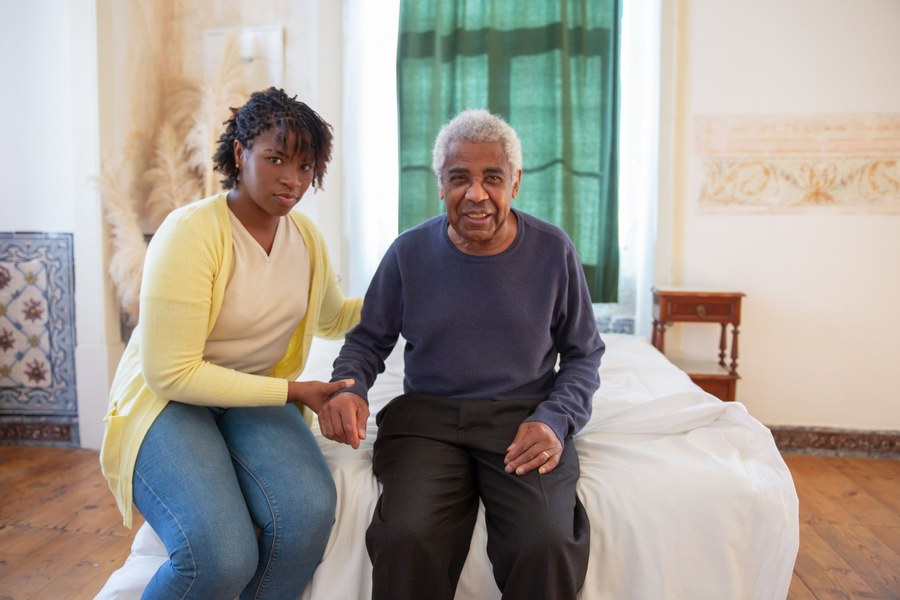
It started with a phone call. Your mother fell, and now there is a hip fracture, a hospital stay, and a conversation about whether she can go home at all.
Somewhere in that blur, a question surfaces: should someone have prevented this? If your elderly parent was injured in a fall on someone else’s property, the answer may be yes. These cases turn on what caused the fall, and families are often told “she just fell” when the record shows something else entirely.
Because the consequences rarely stay small. The Centers for Disease Control and Prevention reports that more than one in four adults aged 65 and older falls each year, and that falls are the most common cause of traumatic brain injury in older adults.
A fall that a younger person would shake off can cost an older adult their independence. That matters legally, because the damages in these cases include far more than an emergency room bill.
You can when someone else’s carelessness caused it. Property owners and businesses owe visitors reasonable care under California Civil Code Section 1714.
The claim usually requires showing that a hazard existed, that the owner knew or should have known about it, that they failed to fix or warn about it, and that it caused the fall. Hazards that come up repeatedly include:
Note who brings the case. If your parent is able, the claim is theirs. If they cannot manage it themselves, a family member may act on their behalf, and a surviving family can bring a wrongful death claim if the fall contributed to their death.
This changes the analysis, and usually in your family’s favor.
When a resident falls in a nursing home or assisted living facility, the question becomes whether staff failed to provide care the resident needed. Residents assessed as a fall risk are supposed to have a care plan, and ignoring it is not an accident.
California’s Elder Abuse and Dependent Adult Civil Protection Act can apply. Under Welfare and Institutions Code Section 15657, proof by clear and convincing evidence that a facility was reckless, oppressive, fraudulent, or malicious in neglecting a resident unlocks remedies an ordinary negligence case does not offer, including mandatory attorney’s fees and recovery for what the resident suffered before death.
Ask for the fall risk assessment, the care plan, and the staffing records for that shift. Those documents often tell a different story than the incident report, particularly when a facility was short-staffed and a resident who needed help walking was left to manage alone.
Two show up in almost every one of these claims.
“She was elderly and unsteady.” Insurers lean on age as if it explains everything. California law does not reward a defendant for injuring someone who was already frail. If a hazard caused the fall, the owner is responsible for the harm that followed, even if a younger person might have recovered faster.
“She was not watching where she was going.” This is comparative fault, and it reduces a recovery rather than ending it. If your parent is found partly responsible, the award drops by that share. We work to keep that figure low, as explained in our piece on being partially at fault.
A fall claim for an older adult should account for the whole picture:
That loss of independence is often the heart of the case. A parent who gardened, drove, and lived alone before the fall and now needs help dressing has suffered something real, and it belongs in the claim.
Families also absorb costs that rarely make it into an insurer’s first offer. Adult children take unpaid leave, drive to appointments, and sometimes pay out of pocket for care while a claim is pending. Keep a simple record of those expenses and hours from the beginning, because reconstructing them months later is far harder.
Evidence disappears quickly, and repairs happen fast after a fall:
Avoid giving a recorded statement to the property’s insurer before you get advice. Those calls are designed to produce a quote about your parent being unsteady.
Families are often made to feel that pressing the issue is somehow undignified. It is not. A hazard that injured your mother or father would have injured someone else the following week.
At DP Injury Attorneys, we investigate what actually caused the fall, obtain the records owners and facilities would rather not produce, and pursue the full cost of a parent’s recovery. Our slip-and-fall lawyers and premises liability team handle these claims with the care your family deserves.
Contact us for a free, private conversation about what happened. You pay nothing unless we win.
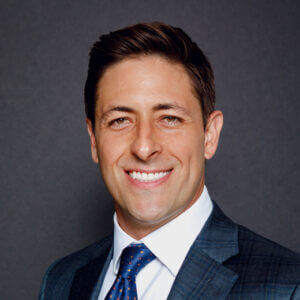
Arthur Paul D’Egidio is the Managing Partner of DP Injury Attorneys, a San Diego personal injury law firm. With more than 12 years of experience in California injury law, he has dedicated his practice to representing clients in a wide range of personal injury matters, including car accidents, workers’ compensation, slip and falls, catastrophic injury, and wrongful death cases.
Arthur received his Juris Doctor from the Thomas Jefferson School of Law and is a member of the State Bar of California as well as the San Diego County Bar Association. He has received numerous accolades for his work, including being named a Super Lawyer for seven straight years by Thomson Reuters and a “Top 40 Under 40” by the National Trial Lawyers.

