
The call every parent dreads comes in the middle of an ordinary morning. Your child was struck near the school. You are already in the car before you know how bad it is.
If your child was hurt in a school zone accident in San Diego, you are dealing with fear first and questions second. Those questions still deserve real answers. Who is responsible? What happens to the medical bills? How long do you have to act? Here is what California law says, in plain terms.
The driver is the usual starting point, but not the only possibility. Depending on how the crash happened, responsibility may rest with:
More than one party can share the blame. Pinning that down early shapes everything that follows, because a claim against a public agency runs on a much shorter clock than a claim against a driver.
Drop-off and pick-up windows deserve special attention. Those few minutes concentrate double-parked cars, buses, and children crossing mid-block, and they are when many of these crashes happen. If a school knew its drop-off setup was unsafe and did nothing, that failure becomes part of the case.
Speed is often the difference between a scare and a tragedy. Under California Vehicle Code Section 22352, the standard limit approaching or passing a school is 25 miles per hour when children are present.
Two things are worth knowing for 2026:
Drivers also owe pedestrians the right of way in marked and unmarked crosswalks under Vehicle Code Section 21950. A driver who breaks one of these rules and injures a child has a serious problem in a civil claim.
This is the fear insurance adjusters count on. They may suggest your child darted out, was not looking, or should have waited.
California law does not measure a child by an adult yardstick. A child’s care is judged against what a reasonably careful child of the same age and experience would do. A seven year old is not expected to judge closing speed the way a grown adult would.
Even if your child made a mistake, the claim survives. California uses comparative fault, so a share of blame reduces a recovery rather than erasing it. We handle these disputes the same way we do when fault is being argued over in any crash.
This is where families get hurt twice, so read carefully. There are two very different deadlines.
If the claim is against a driver or private party, the deadline is generously extended. Under Code of Civil Procedure Section 352, the clock is paused while your child is a minor. It starts on their eighteenth birthday, which usually gives them until age twenty to file.
If the claim is against a public entity, such as a school district, the city, or the county, that pause does not help you. A written claim must be presented to the agency within six months of the injury under Government Code Section 911.2. Miss it and the claim against that agency is usually gone for good.
Because you may not know at first whether a public agency shares blame, waiting is a gamble. Six months moves faster than parents expect while a child is in treatment.
A child’s claim looks at the whole road ahead, not just today’s bills. Compensation may include:
Two rules apply when a minor recovers money. A parent or guardian brings the claim on the child’s behalf as a guardian ad litem, and a court reviews any settlement above a modest threshold to confirm it serves the child’s best interests. Funds are typically protected until the child turns eighteen.
The first hours and days matter more than most families realize:
Preserving this evidence early is what turns a he said, she said dispute into a documented case.
Your child should be safe walking to school. When a careless driver or an agency that cut corners takes that away, your family deserves answers and accountability.
At DP Injury Attorneys, we handle child injury claims with the care they require and the seriousness insurers respect. Our San Diego pedestrian accident lawyers will identify every responsible party, protect the short government deadline, and build a case around your child’s long-term needs.
If the injuries are severe, our work in catastrophic injury cases applies as well.
Focus on your child. Let us handle the rest. Contact us for a free consultation whenever you are ready. There is no fee unless we win.
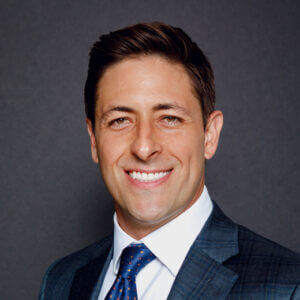
Arthur Paul D’Egidio is the Managing Partner of DP Injury Attorneys, a San Diego personal injury law firm. With more than 12 years of experience in California injury law, he has dedicated his practice to representing clients in a wide range of personal injury matters, including car accidents, workers’ compensation, slip and falls, catastrophic injury, and wrongful death cases.
Arthur received his Juris Doctor from the Thomas Jefferson School of Law and is a member of the State Bar of California as well as the San Diego County Bar Association. He has received numerous accolades for his work, including being named a Super Lawyer for seven straight years by Thomson Reuters and a “Top 40 Under 40” by the National Trial Lawyers.

