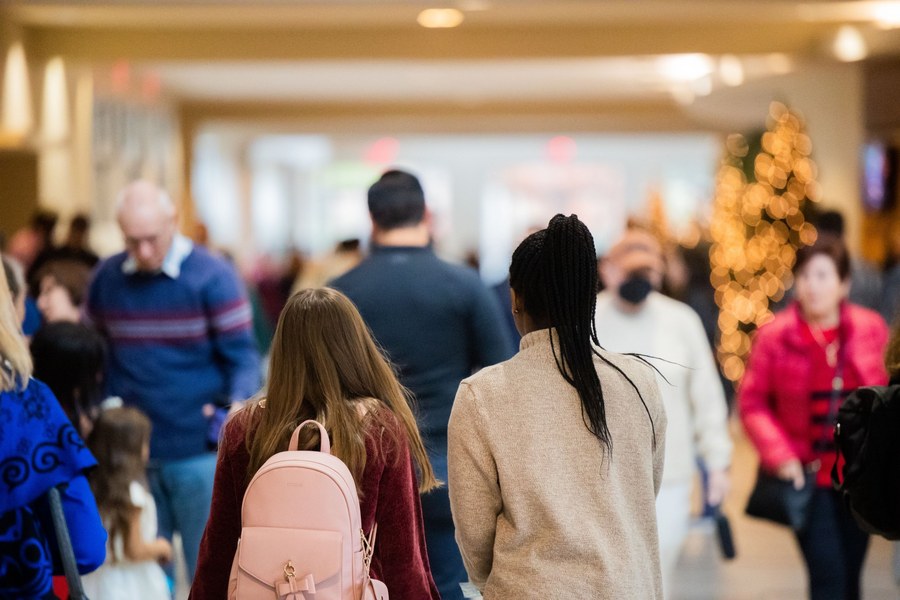
The doors opened and the crowd moved like water. Someone shoved from behind, your foot caught a pallet nobody had cleared, and the morning ended in an urgent care waiting room instead of the checkout line.
If you were injured during Black Friday shopping, the store may want you to believe it was just bad luck in a busy crowd. California law looks at it differently. Retailers know exactly what a doorbuster sale draws, and they are responsible for planning around it.
Often, yes. Under California Civil Code Section 1714, people and businesses are responsible for harm caused by their lack of ordinary care.
For a store, that duty scales with the risk it creates. A quiet Tuesday afternoon and a 5 a.m. Black Friday opening are not the same event. A retailer that advertises deep discounts, posts the time the doors unlock, and expects a line around the building has to prepare for the crowd it invited.
Reasonable care on a day like that can include:
More than one party may share responsibility:
Even when another customer pushed you, the store can still be on the hook. The legal question is not only who made contact. It is whether the retailer should have foreseen that crowding and done something about it.
That distinction matters because the shopper who knocked you down is rarely identified and rarely has insurance. The business that organized the event is insured.
After a worker was killed in a 2008 Black Friday rush, OSHA published crowd management safety guidelines for retailers and has reminded major chains about them ahead of the holidays.
The guidance asks retailers to plan crowd management in advance, station trained security or crowd managers on site, set up barricades well before customers arrive, let staff know when the doors are about to open, and keep exit routes clear.
One point worth being precise about: OSHA rules exist to protect workers, not shoppers. A customer’s claim runs through premises liability, not OSHA. Still, those guidelines are useful evidence of what a careful retailer is supposed to do. A store that ignored widely known safety practices has a harder time arguing it acted reasonably.
If you were working that shift rather than shopping, your path is different. Injured employees generally go through workers’ compensation, which pays regardless of fault.
These are often far from minor. Common ones include:
Serious outcomes are handled through our catastrophic injury practice, while trip and fall claims fall to our slip-and-fall team.
Stores are organized on days like this, and their risk department moves fast. Protect yourself the same way:
Store camera footage is frequently recorded over within days or weeks. A lawyer can send a preservation letter to stop that, but only if it goes out quickly.
One more thing worth knowing. Large retailers often have a claims process that opens the moment an incident report is filed, and an adjuster may call within days offering a gift card or a small payment to close the file. Accepting it can end your claim before anyone knows whether you need surgery. There is no rush to sign anything.
Probably. Expect the store to suggest you were rushing, distracted, or caught up in the crowd like everyone else.
California uses comparative fault, which reduces a recovery by your share of the blame rather than eliminating it. Being hurried in a crowded store does not forfeit your rights. Our article on being partially at fault for an accident explains how that math works.
Watch the calendar too. Most California injury claims carry a two-year filing deadline, and claims against a public entity can run much shorter.
A retailer that plans a crowd should plan for the risk that comes with it. When it skips that work and a shopper gets hurt, that is not an unavoidable accident.
At DP Injury Attorneys, we take on national chains and their insurers, move quickly to preserve footage and incident reports, and build claims around what the store knew before it unlocked the doors. Our premises liability lawyers handle these cases throughout San Diego.
Contact us for a free consultation and find out where you stand. There is no fee unless we win.
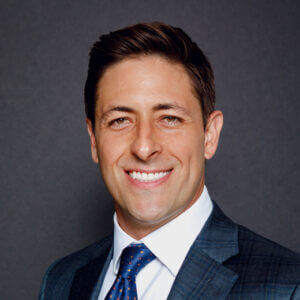
Arthur Paul D’Egidio is the Managing Partner of DP Injury Attorneys, a San Diego personal injury law firm. With more than 12 years of experience in California injury law, he has dedicated his practice to representing clients in a wide range of personal injury matters, including car accidents, workers’ compensation, slip and falls, catastrophic injury, and wrongful death cases.
Arthur received his Juris Doctor from the Thomas Jefferson School of Law and is a member of the State Bar of California as well as the San Diego County Bar Association. He has received numerous accolades for his work, including being named a Super Lawyer for seven straight years by Thomson Reuters and a “Top 40 Under 40” by the National Trial Lawyers.

