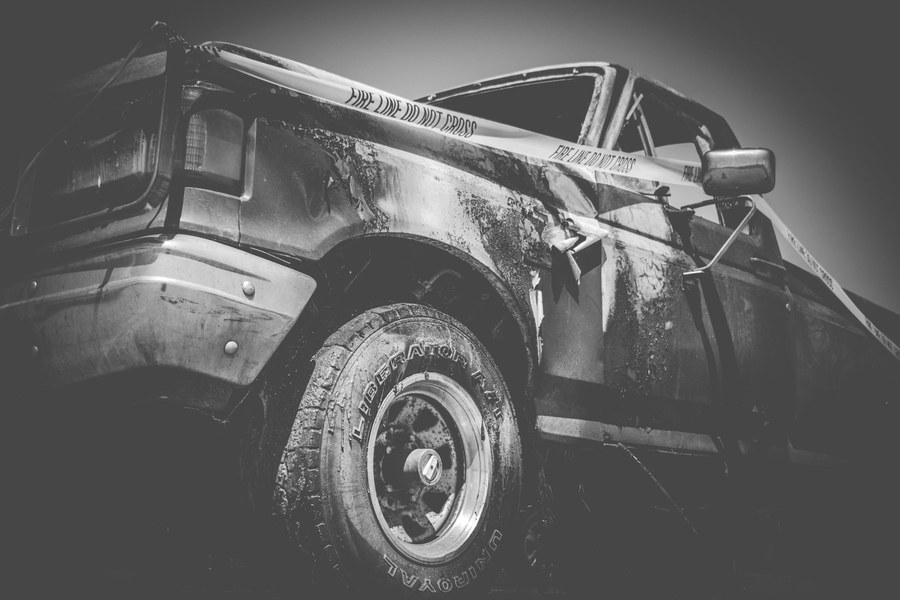
When the at-fault driver died in the accident, families are usually left with two feelings at once. Pursuing a claim feels wrong, and it also feels impossible, because there is no one left to hold responsible.
Here is what matters: your claim does not die with them. California law provides a path. It also sets a deadline that is far shorter than most people expect, and missing it ends the case entirely.
Yes. A claim for injuries survives the death of the person who caused them. Under Code of Civil Procedure Section 377.40, a cause of action against someone who has died may be pursued against their estate.
In practice, you are rarely taking money from a grieving family. In most crashes, the recovery comes from the auto insurance policy the driver was paying for. The estate is often a formality in the paperwork.
California gives injured people two routes, and the right one depends on how your damages compare to the policy.
The insurance path. Under Probate Code Sections 550 through 555, you can bring an action against the estate as a nominal defendant and recover from the liability insurance. You do not have to open probate, name a personal representative, or file a creditor’s claim. The trade-off is that your recovery is capped at the policy limits. Section 551 also gives this route a one-year extension beyond the normal filing deadline.
The estate path. If your damages exceed the policy, you can pursue the estate’s own assets. That requires a creditor’s claim in probate, and it is governed by a strict deadline discussed below. If probate has not been opened, you may be able to open it yourself as a creditor.
Which path fits is a real decision with real consequences, and it should be made early with a lawyer rather than discovered late.
This is the part that costs people their cases.
Normally, California gives you two years from the date of injury. But Code of Civil Procedure Section 366.2 generally imposes a one-year limit, running from the date of death, on claims against a person who has died. That shorter clock can expire while you are still treating and long before the usual two-year deadline.
The insurance path under the Probate Code is treated differently and carries its own extension. The estate path does not. Because the two timelines differ, the safest approach is to calendar the one-year date from the driver’s death immediately and treat it as the live deadline until a lawyer confirms otherwise.
Families sometimes wait out of politeness while an estate is settled. That instinct is kind and it can be expensive.
It is also easy to lose months without realizing it. Probate may not be opened for a while, the insurer may be slow to confirm coverage, and nobody involved has a reason to remind you that a deadline is running. The clock does not pause for any of that.
It often is. A severe crash can run well past a basic liability limit, and a deceased driver’s estate may have little in it.
This is where your own coverage matters. Uninsured and underinsured motorist coverage on your policy can fill the gap when the at-fault driver’s insurance runs out. Many people have this coverage without realizing it, since California insurers must offer it and you only lose it by rejecting it in writing. We cover how that works in our article on being hit by an uninsured motorcyclist.
Other sources may exist too. If the driver was working at the time, an employer may be responsible. If a vehicle defect or a dangerous road contributed, other parties come into view. A crash that killed the at-fault driver was often severe enough to involve more than one cause, and those additional defendants are not subject to the one-year probate deadline.
Some of these crashes take lives on both sides. A surviving family may bring a wrongful death claim against the deceased driver’s estate and insurance, following the same two paths described above.
These cases are painful in a particular way. Both families are grieving, and neither chose this. A claim is not an accusation against the people left behind. It is how the insurance that exists for exactly this situation gets used.
The steps are straightforward, and the timing is not:
If an insurer has already pushed back, our guide on what to do when a claim is denied explains your options.
Pursuing a claim after the other driver has died feels complicated and uncomfortable. The procedure is genuinely technical, which is exactly why it should not sit on your kitchen table while a one-year deadline runs.
At DP Injury Attorneys, we identify every available source of recovery, choose the right path through the Probate Code, and handle the estate and insurance process so your family does not have to. Our San Diego car accident lawyers will tell you plainly what your options look like.
Contact us online for a free consultation. There is no fee unless we win your case.
Arthur Paul D’Egidio is the Managing Partner of DP Injury Attorneys, a San Diego personal injury law firm. With more than 12 years of experience in California injury law, he has dedicated his practice to representing clients in a wide range of personal injury matters, including car accidents, workers’ compensation, slip and falls, catastrophic injury, and wrongful death cases.
Arthur received his Juris Doctor from the Thomas Jefferson School of Law and is a member of the State Bar of California as well as the San Diego County Bar Association. He has received numerous accolades for his work, including being named a Super Lawyer for seven straight years by Thomson Reuters and a “Top 40 Under 40” by the National Trial Lawyers.

