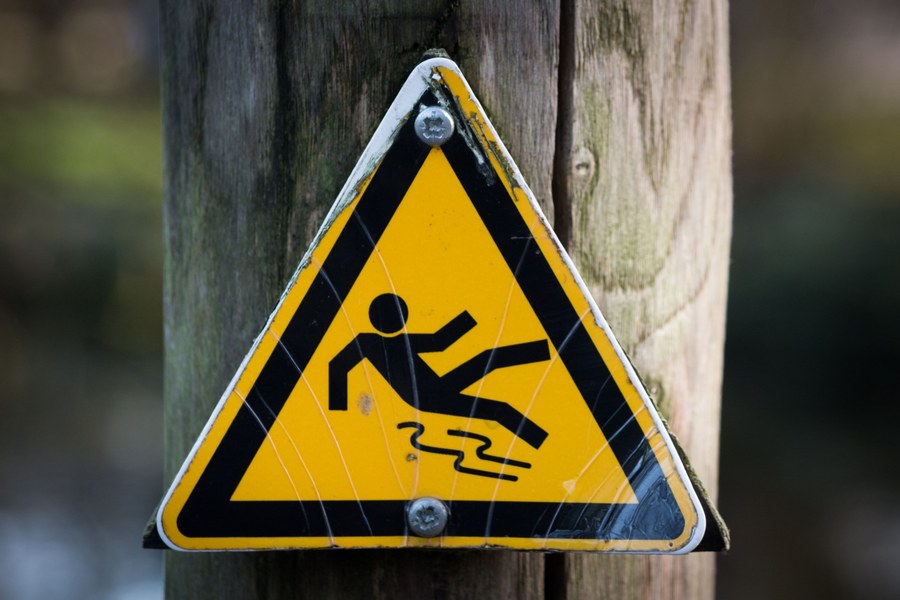
You can sue your apartment complex if you got hurt in a common area because the owner or manager let it become dangerous. Stairwells, hallways, parking garages, pools, laundry rooms, courtyards, balconies, gates. If it’s shared space, keeping it safe is the landlord’s job.
That goes for guests, too. Your mom visiting for the weekend, the DoorDash driver, the friend who helped you move. If they got hurt because the property was neglected, they may have a claim.
Because they control them. You don’t get to decide when the stair light gets fixed or whether the pool gate gets replaced. They do.
Under Civil Code section 1714, property owners are responsible for injuries caused by their failure to use ordinary care in managing their property. For a common area injury, that usually comes down to a few things:
That second point matters more than people think. “We didn’t know” isn’t a defense if a basic walk-through would have spotted the problem. Landlords don’t get rewarded for never looking.
We see the same problems at complexes all over San Diego County, from 1960s buildings in North Park and City Heights to the big communities in Mission Valley and Otay Ranch:
If you fell because of a broken railing, we wrote a whole post about falling down stairs from a broken handrail [insert URL].
Yes, and most tenants have never heard of it.
After a balcony collapse in Berkeley killed six people in 2015, California passed SB 721. It’s now Health and Safety Code section 17973. Owners of apartment buildings with three or more units must have balconies, decks, elevated walkways, and exterior stairs inspected by a qualified professional. The deadline for the first inspection was January 1, 2026. After that, it repeats every six years.
Salt air and marine layer moisture are rough on wood and metal. Coastal San Diego buildings take a beating.
If you were hurt on a balcony or exterior staircase, two questions matter. Did the owner get the inspection done? And if they did, did they fix what the report flagged? A landlord who skipped the inspection, or ignored a report pointing to the exact problem that hurt you, is going to have a very hard time claiming they didn’t know.
Landlords don’t have to stop every crime. But they can be responsible when a crime was foreseeable and they ignored an obvious fix.
That looks like a security gate broken for weeks. Garage lights out for a month. Tenants reporting car break-ins and nothing changing. Front door locks that haven’t worked since spring. Security the lease promised that never showed up.
These cases take digging. Police call logs, prior tenant complaints, maintenance records. But when the pieces are there, the landlord can be held accountable.
A lot of leases have fine print saying the landlord isn’t liable if you get hurt on the property. In California, that language generally isn’t enforceable.
Civil Code section 1953 voids lease terms that try to waive your right to have the landlord use reasonable care to prevent injuries. You can’t sign that duty away. Even if you initialed the page.
This is the worry that keeps a lot of tenants quiet, so let’s deal with it directly.
First, these claims are usually paid by the owner’s liability insurance. That’s exactly what the policy is for. You’re not taking money out of someone’s retirement.
Second, Civil Code section 1942.5 bars landlords from retaliating against tenants for exercising their legal rights. That includes things like raising your rent, cutting services, or trying to evict you over it.
And the responsible party isn’t always just the owner. It can also be the property management company, a contractor who did bad repair work, a security company, a pool service, or an HOA if you’re in a condo.
They will. You were on your phone. You were wearing flip-flops. You should have used the other staircase.
California uses comparative fault. You can still recover even if you were partly responsible. Your compensation just gets reduced by your share. So if a jury decides you were 15% at fault for looking at a text on a staircase with no working lights, you can still recover 85%. The dark stairwell is still on them.
Landlords move fast after an injury. Suddenly the railing gets fixed and the light bulb gets changed. You need to move faster.
Generally two years from the injury under California’s statute of limitations.
If the property is owned by a public agency, the deadline is much shorter. You’ll usually need to file a government claim within six months under Government Code section 911.2.
You pay rent. You follow the rules. You deserve a building that isn’t falling apart around you. When your landlord drops the ball and you get hurt, they should pay for it, not you.
DP Injury Attorneys has recovered $1.5 million in two separate premises liability cases. Every case is different, and past results don’t guarantee future outcomes, but we bring the same fight to every client. See how our San Diego premises liability lawyers and slip-and-fall attorneys handle these cases.
There’s no fee unless we win. Se habla español.
Call us now or contact us online for your free consultation.

Arthur Paul D’Egidio is the Managing Partner of DP Injury Attorneys, a San Diego personal injury law firm. With more than 12 years of experience in California injury law, he has dedicated his practice to representing clients in a wide range of personal injury matters, including car accidents, workers’ compensation, slip and falls, catastrophic injury, and wrongful death cases.
Arthur received his Juris Doctor from the Thomas Jefferson School of Law and is a member of the State Bar of California as well as the San Diego County Bar Association. He has received numerous accolades for his work, including being named a Super Lawyer for seven straight years by Thomson Reuters and a “Top 40 Under 40” by the National Trial Lawyers.

